

TODAY IN HISTORY
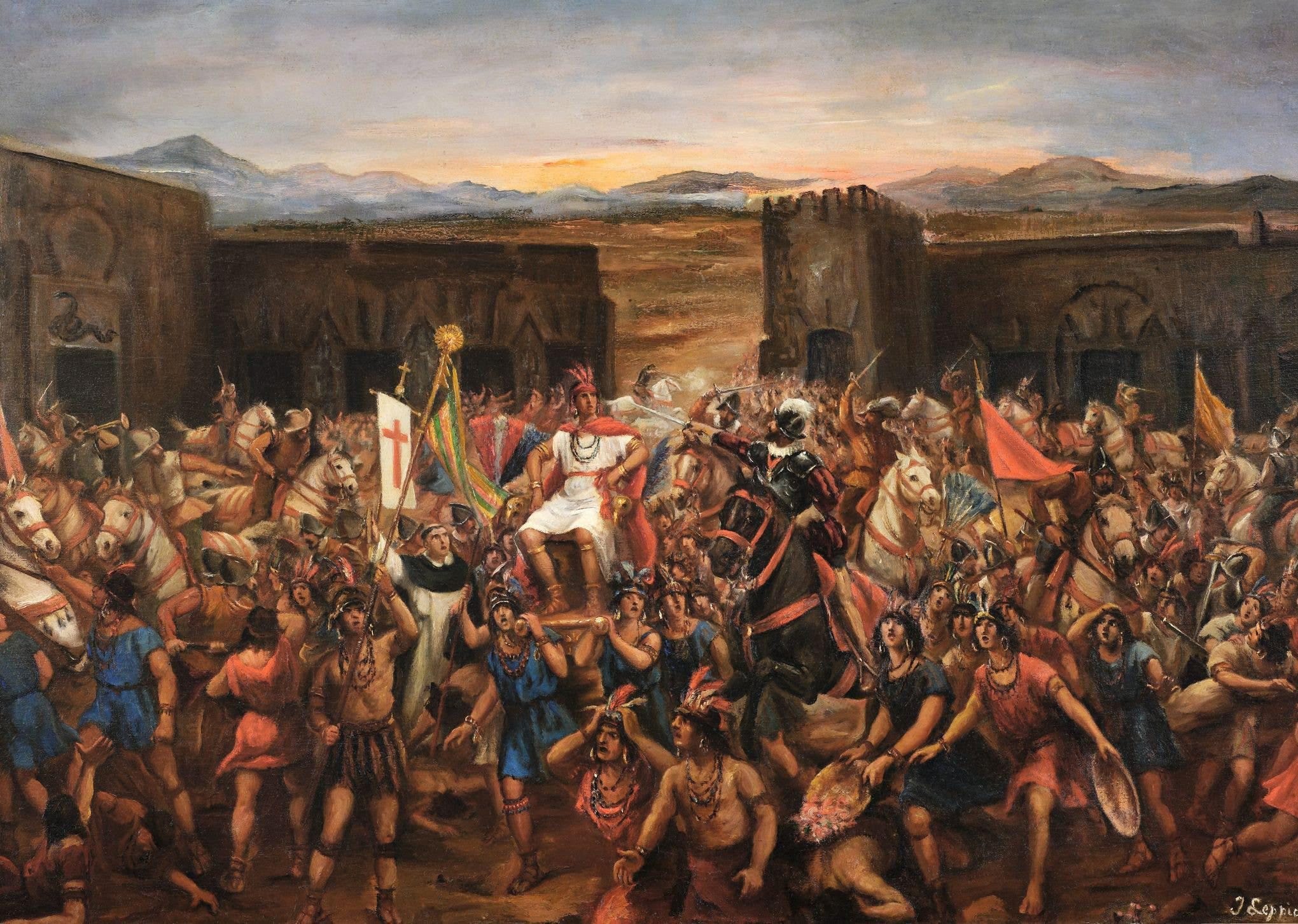
November 16, 1532: Spanish forces under Francisco Pizarro ambush and capture the Incan emperor Atahualpa at the Battle of Cajamarca. Atahualpa’s captivity and eventual execution (the following August) were the first steps in the Spaniards’ conquest of the Incan Empire.
November 16, 1914: The Austro-Hungarian and Serbian armies open one of World War I’s first major engagements, the Battle of Kolubara. Over the course of the next two weeks the Austro-Hungarians would drive the Serbs back, eventually forcing them to evacuate Belgrade. However, the Serbian army regrouped and counterattacked against a by-then overextended Austro-Hungarian force, and by mid-December they had retaken Belgrade and forced the surviving Austro-Hungarians out of Serbia altogether. The battle resulted in staggering casualties on both sides but thwarted the Austro-Hungarian military’s 1914 Serbian campaign. The Central Powers would invade Serbia again the following year with much different results.
INTERNATIONAL
The World Health Organization said on Monday that “growing antimicrobial resistance could cause 39 million deaths over the next 25 years.” It cited a lack of progress and resources devoted toward implementing plans to prevent and diagnose drug resistant bacterial infections and to develop more responsible approaches to using antibiotics.
MIDDLE EAST
YEMEN
The Saudi government reassigned its military commander in Yemen, Fahd bin Hamad al-Salman, on Monday, appointing him as an adviser in the kingdom’s defense ministry and giving overall military boss Fayyadh Al Ruwaili direct command over the pro-government forces in Yemen. This switch comes after Ansarullah forces reportedly moved to within 60 kilometers of Aden over the weekend. The Yemeni military is claiming that they’re not quite that close to the city but the situation still seems very tense for the pro-government side.
