

TODAY IN HISTORY
February 28, 202 BCE: Former rebel leader Liu Bang is crowned Emperor Gaozu, ending the Chu-Han war and marking the start of the Han Dynasty. The Han ruled China until 220 CE, except for a brief interlude during the years 9-23 CE.
February 28, 1991: US President George H. W. Bush declares that Iraqi forces have withdrawn from Kuwait and announces a ceasefire. Bush’s announcement marked the end of the Gulf War but was only the start of the US obsession with Iraqi leader Saddam Hussein.
March 1, 1811: Having invited the leaders of the Mamluk community to his Cairo citadel for a celebration, Egyptian ruler Muhammad Ali traps them in a courtyard and has his soldiers massacre them. The incident brought the Mamluk sociopolitical order to an abrupt end after some 450 years (with brief interruptions) at the top of the Egyptian political hierarchy.
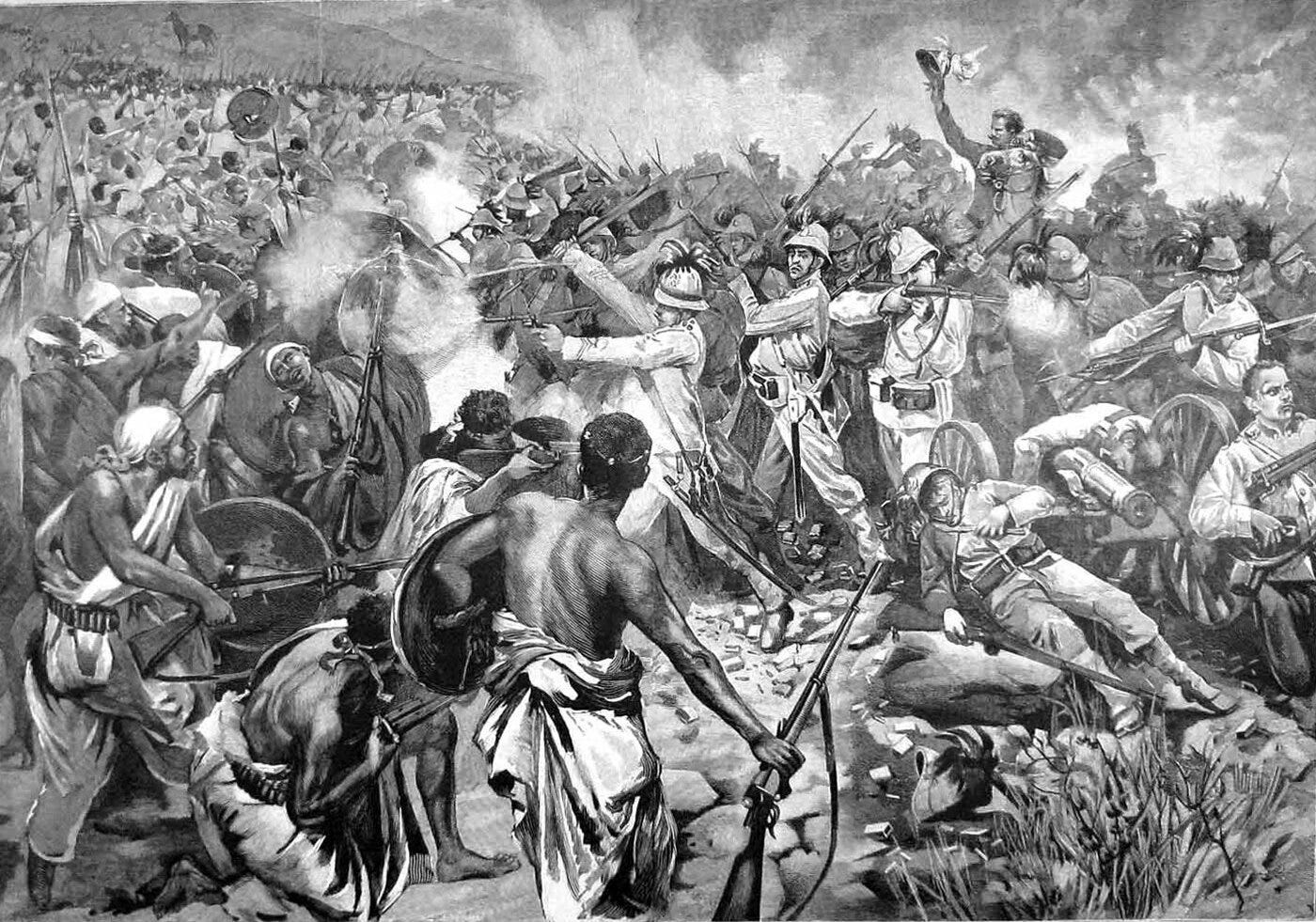
March 1, 1896: An Ethiopian army under Emperor Menelik II defeats an invading Italian army under Oreste Baratieri, the governor of Italian Eritrea, at the Battle of Adwa. Their defeat forced the Italians and their local allies to retreat to Eritrea and brought the First Italo-Ethiopian War to an end with an Ethiopian victory. The Italians would, of course, be back a few decades later.
March 2, 1962: The Burmese military, led by General Ne Win, overthrows the country’s civilian government in a coup. The military stepped in amid widespread public opposition to the government, which was accused of corruption and incompetence, and fears that its weakness might cause the country to break apart. This kicked off a period of military or essentially military rule in Myanmar that has continued more or less through to the present day.
March 2, 2002: The US military begins Operation Anaconda in Paktika province, the first large-scale battle in the War in Afghanistan. The battle ended on March 18 with a decisive US/coalition victory. It’s best not to think about what happened after that.
MIDDLE EAST
LEBANON
The Israeli military (IDF) retaliated for Hezbollah rocket fire overnight by killing at least 31 people in a mass bombardment of southern Lebanon and southern Beirut. The Lebanese Health Ministry tallied at least 149 wounded in those attacks. Those figures will rise because the IDF isn’t stopping, so the question is whether and now intensely Hezbollah is planning to strike back. The group issued a statement vowing to “confront aggression” after the Israeli airstrike that killed Iranian Supreme Leader Ali Khamenei over the weekend, but its capabilities have been weakened in previous rounds of conflict with IDF and it will likely meet a good deal of resistance from within Lebanon to another war with Israel. Lebanese Prime Minister Nawaf Salam took the unprecedented (to my knowledge) step of imposing an “immediate prohibition of all of Hezbollah’s security and military activities, which are deemed illegal.” How he plans to enforce that is anybody’s guess.
According to Haaretz the IDF is already planning to reinvade southern Lebanon to establish a “buffer zone” along the de facto Israeli-Lebanese border. No decision has been taken yet but if this front escalates that is one possible next step.
