

PROGRAMMING NOTE: My apologies, but I have noticed my voice becoming strained for the past several days and after another round of podcasting today it really began to fail me. I’m going to take a night off of the voiceover and see if that helps a bit. I appreciate your patience. Anyone who requires assistance should be able to use the text-to-voice function in the Substack app.
TODAY IN HISTORY
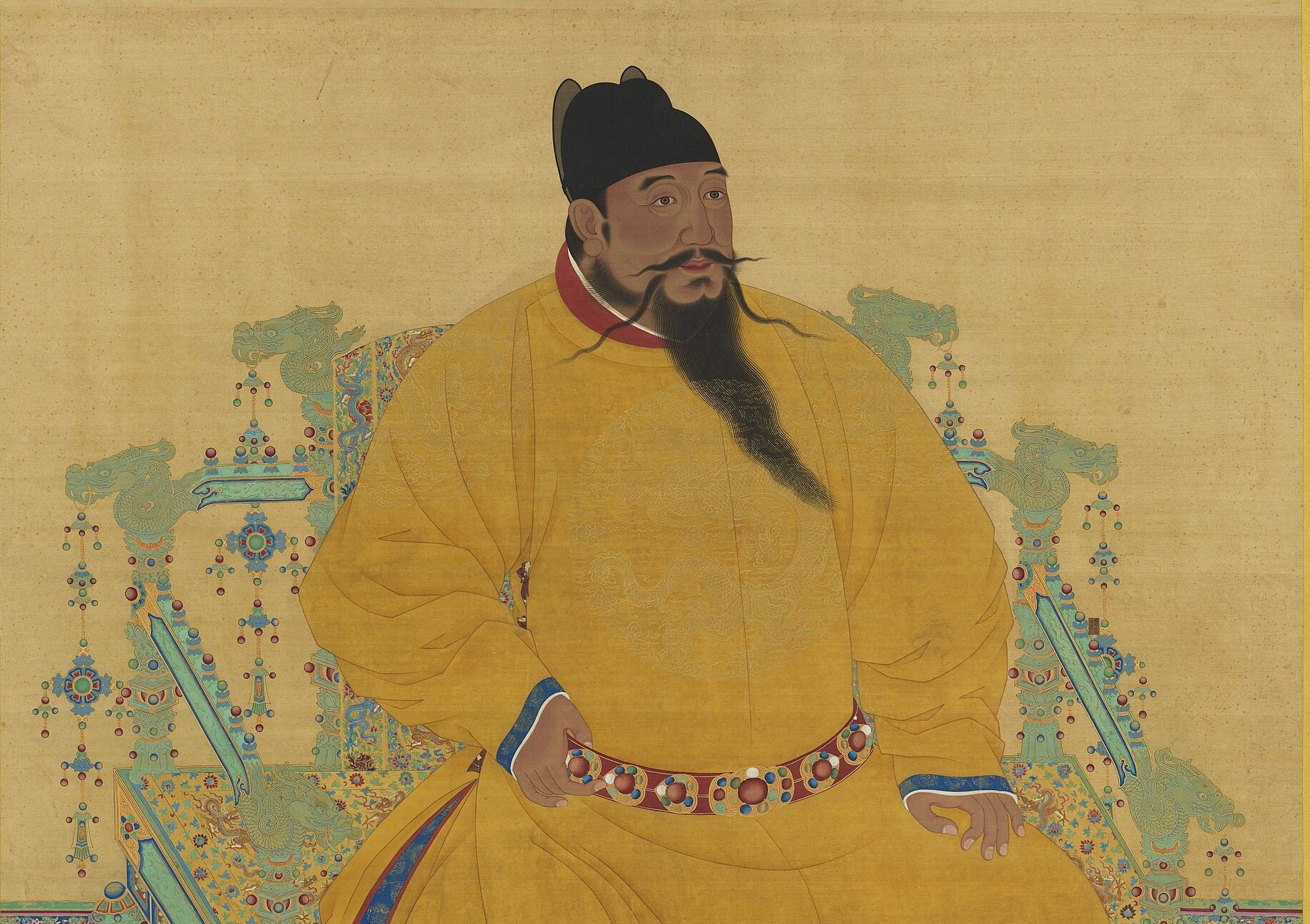
July 13, 1402: The Ming Dynasty’s capital city, Nanjing, falls to the forces of Zhu Di, prince of Yan, ending an uprising he’d begun back in 1399 known as the “Jingnan campaign.” Zhu Di was the son of former Chinese emperor Zhu Yuanzhang, the founder of the Ming Dynasty better known as the Hongwu Emperor. He had chafed at the selection of Zhu Yuanzhang’s grandson, Zhu Yunwen, as the Jianwen Emperor in 1398. The Jianwen Emperor’s attempt to arrest Zhu Di in late 1398 triggered the rebellion. After fighting the imperial army to a standstill through late 1401, Zhu Di’s forces went on an offensive that brought them to the gates of Nanjing in July 1402, where the city fell without a fight. Zhu Di, now the Yongle Emperor, eventually moved his court back to Beijing.
July 13, 1878: The Treaty of Berlin (temporarily) settles the “Great Eastern Crisis” over Russia’s threat to the Ottoman Empire. The treaty superseded the earlier Treaty of San Stefano, which ended the 1877-1878 war between Russia and the Ottomans but was so lopsided in Russia’s favor that Britain and France felt compelled to step in and quash it. The Berlin do-over recognized the independent states of Montenegro, Romania, and Serbia and an autonomous (effectively independent) Bulgaria. It shrunk Bulgaria down from the size envisioned under San Stefano and forced the Russians to return some territory to the Ottomans. Austria-Hungary was allowed to effectively annex Bosnia and Herzegovina, which it formally annexed in 1908.
July 13, 1977: The Somali National Army, working with a rebel group called the Western Somali Liberation Front, invades Ethiopia, beginning the Ogaden War. Basically the Somalis thought they could take advantage of a moment of internal weakness in Ethiopia to seize the predominantly Somali Ogaden. As both countries were Soviet clients at the time, Moscow had a decision to make, and it chose Ethiopia. With Soviet aid and Cuban reinforcements, the Ethiopians turned the tide and pushed the SNA back into Somalia by March 1978. Somalia then shifted its Cold War allegiance to the United States.
MIDDLE EAST
ISRAEL-PALESTINE
The Israeli Knesset voted on Sunday to schedule its forthcoming election for October 27, which by law was the latest possible date it could have picked. The current legislative term will wrap this coming Friday. Israeli Prime Minister Benjamin Netanyahu will be aiming to win yet another term and has expressed his intention to “establish a broad national government” in contrast with the hard right coalition he currently leads. Perhaps this is because polling suggests that the current ruling coalition is heading for a pretty substantial defeat. Whether he’ll be able to wrangle any broader support after the election very much remains to be seen.
