

I must apologize, but although I know I just resumed the newsletter after my Thanksgiving break I feel like I am coming down with some sort of bug that is making it hard to talk and so I will have to forego tonight’s voiceover. As always there is a text-to-voice function in the Substack app for anyone who requires it.
TODAY IN HISTORY
December 3, 1971: The Pakistani military undertakes preemptive airstrikes against several Indian military installations, beginning the Indo-Pakistani War of 1971, itself the final phase of the Bangladesh Liberation War. India was preparing to enter that war on Bangladesh’s side, so these strikes were preemptive in the way that word is normally understood. The war, to put it mildly, was a complete disaster for the Pakistanis, who were forced to surrender a mere 13 days later and had to give up their claims on “East Pakistan” (Bangladesh) while suffering around a third of their military killed, wounded, or captured. In one of Henry Kissinger’s more notorious acts, the Nixon administration opted to support Pakistan despite evidence of its armed forces having committing major atrocities against Bangladeshi civilians.
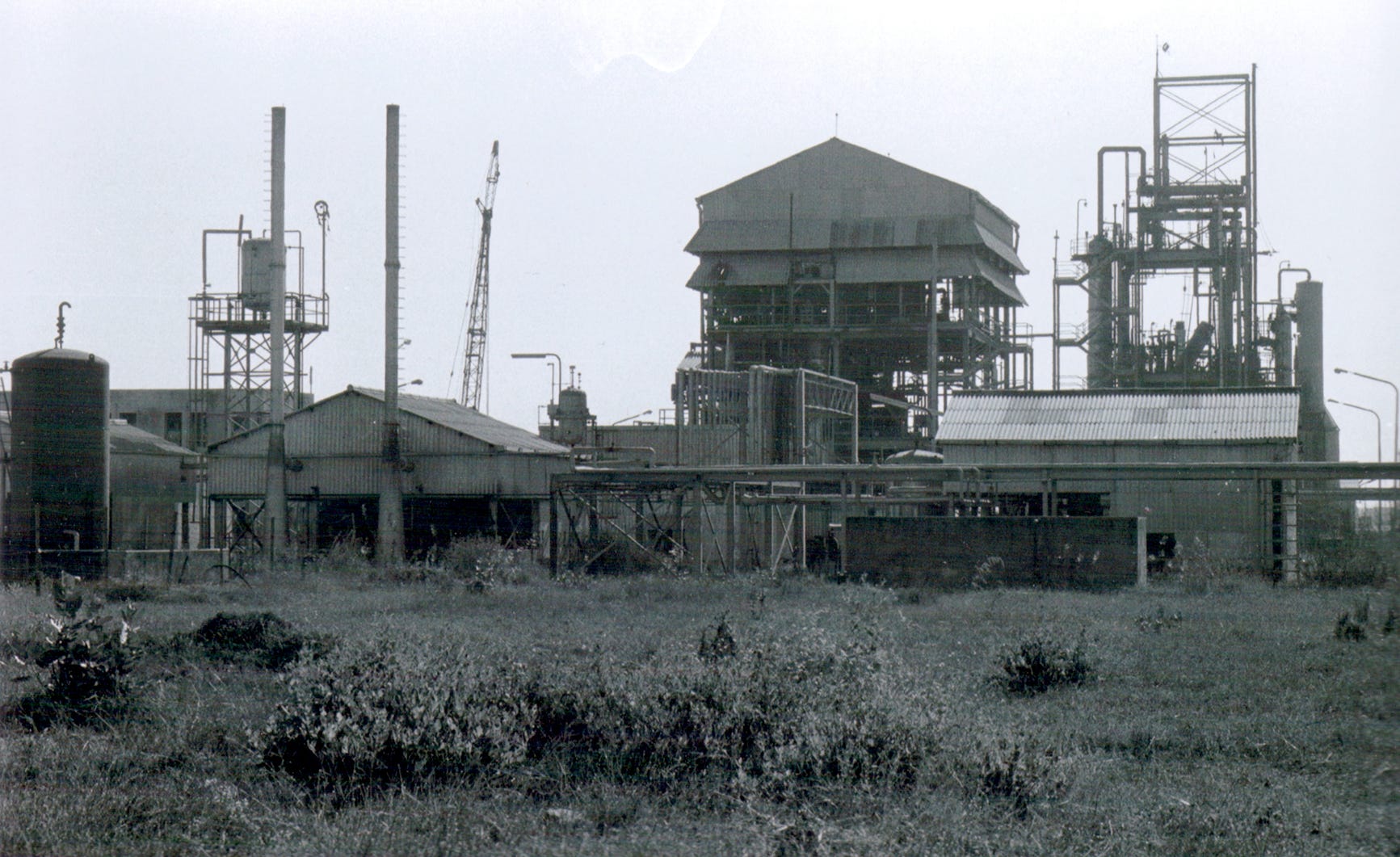
December 3, 1984: A Union Carbide pesticide plant in Bhopal, India, spews toxic methyl isocyanate gas overnight, resulting in the deaths of between 3800 and 16,000 people and causing injury to at least 558,000 more. Union Carbide maintains that the leak was caused by deliberate sabotage, though Indian courts subsequently found several officials at the plant guilty of negligence. The “Bhopal Disaster” remains one of the worst industrial catastrophes in history and its adverse effects are still being felt by people in that region to the present day.
MIDDLE EAST
SYRIA
Drop Site’s Hoda Matar reports on the intensifying Israeli occupation in southern Syria:
In what has become a regular occurrence in southwest Syria, Israeli tanks and troops stormed the Quneitra countryside on Monday, taking up positions in the village of Saida Al-Hanout. As drones flew overhead, Israeli military units set up a temporary checkpoint and searched civilians before eventually withdrawing.
Over the past year, Israeli forces have established nine military posts in southern Syria; constructed military installations less than one kilometer from villages; demolished at least 12 buildings in al-Hamidiya; razed over 45 hectares of the Jubata al-Khashab forest; and seized thousands of dunams of agricultural land, cutting off access to farmers’ livelihoods. Local officials told Drop Site News that, in total, Israel has illegally seized between 600 and 800 square kilometers of southern Syrian territory through more than 200 incursions.
Israeli military operations in the area have escalated in recent weeks, with Israeli troops displacing residents, destroying farmland, snatching people off the streets and taking them across the border to Israeli detention centers.
Later on in the piece Syrian journalist Khaled al-Khalil refers to Quneitra as a “second West Bank, even down to Israeli interference in the local olive harvest.
