

PROGRAMMING NOTE: We’re going to do things slightly differently tonight because the war continues to take up most of the real estate in the newsletter and I am feeling somewhat under the weather. In lieu of a full international roundup I’m going to give detailed updates of what’s happening in Lebanon and Iran and then a few brief stories from elsewhere. This is not a permanent format change, it’s just a one-night concession to my stamina.
TODAY IN HISTORY
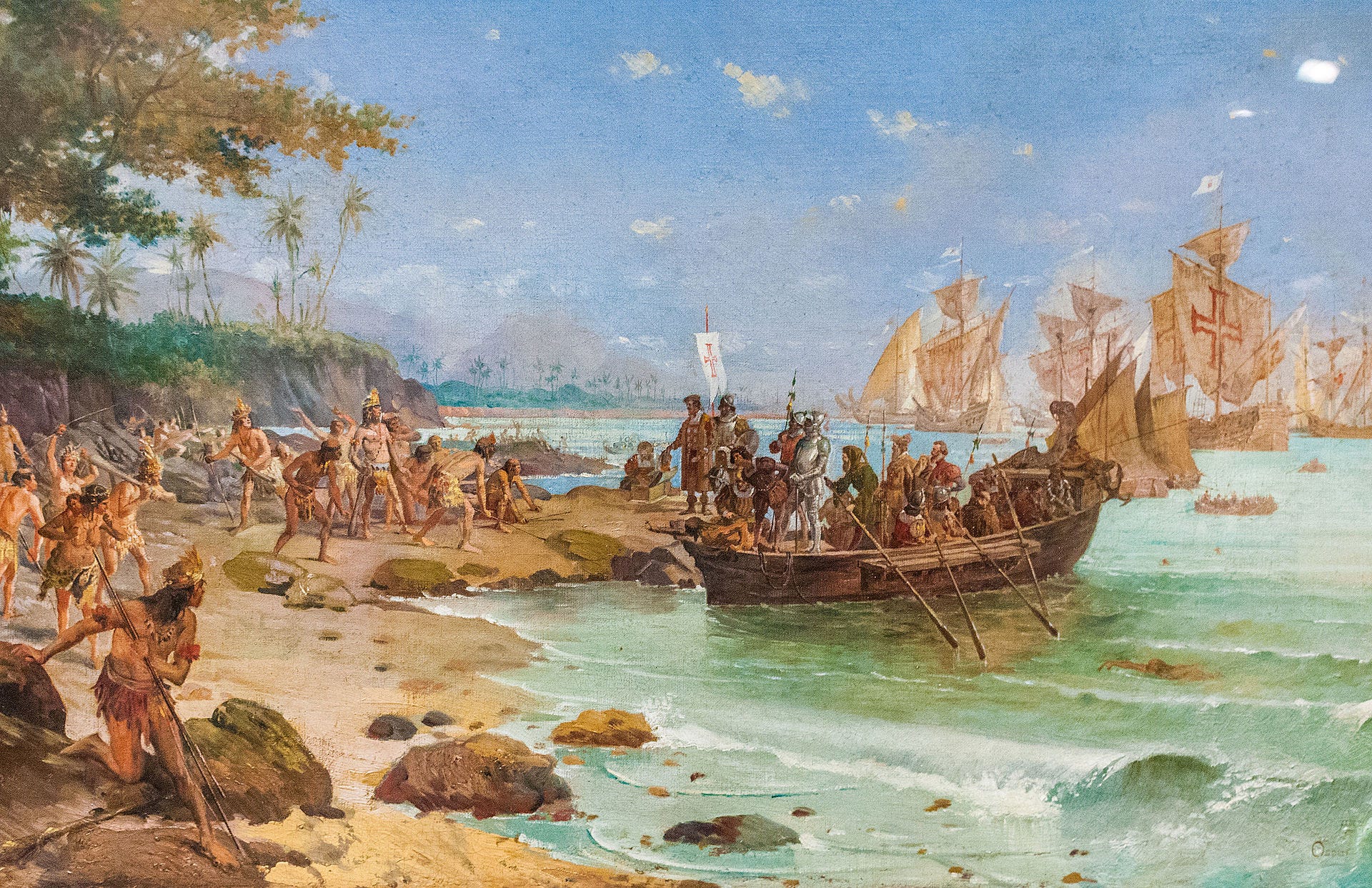
March 9, 1500: Portuguese explorer Pedro Álvares Cabral sets sail with a fleet bound for India by a circuitous route through the western Atlantic Ocean. In April, Cabral’s fleet made landfall in what is now eastern Brazil. It’s unclear whether he knew the land was there or just stumbled upon it while making a wide turn toward the southern tip of Africa. Either way, this was the one part of the Americas that was far enough east to fall within Portugal’s allotted colonial domain under the 1494 Treaty of Tordesillas. Cabral’s fleet eventually continued on around Africa to Calicut, where he and his crew massacred around 600 people on ten merchant ships in retaliation for an attack on a Portuguese factory, and then headed back to Portugal.
March 9, 1862: The Battle of Hampton Roads, an attempt by a Confederate squadron to break the Union naval blockade of Richmond, ends inconclusively with the Confederates having inflicted heavy losses on the Union but without having lifted the blockade. The engagement is most noteworthy for having involved the first clash between two “ironclad” vessels, the USS Monitor and the CSS Virginia. The Virginia destroyed two wooden Union ships on the first day of fighting, proving the value of this new generation of vessels, but then fought the Monitor to a draw as neither ship was able to heavily damage the other. Naval warfare would, of course, never be the same again.
WAR UPDATES
LEBANON
The Lebanese parliament voted on Monday to give itself two more years in office, citing the impossibility of holding scheduled elections in May given the renewed war between Israel and Hezbollah. This sort of term extending is not a new thing in Lebanese politics but it tends to add to the country’s dysfunction. In the meantime, the Lebanese government has reportedly submitted a request, via the Trump administration, for direct peace talks with its Israeli counterpart. According to Barak Ravid at Axios, US and Israeli officials were “cool and deeply skeptical” toward the request, which isn’t surprising if only because the Lebanese government is more a bystander to this conflict than a participant.
